

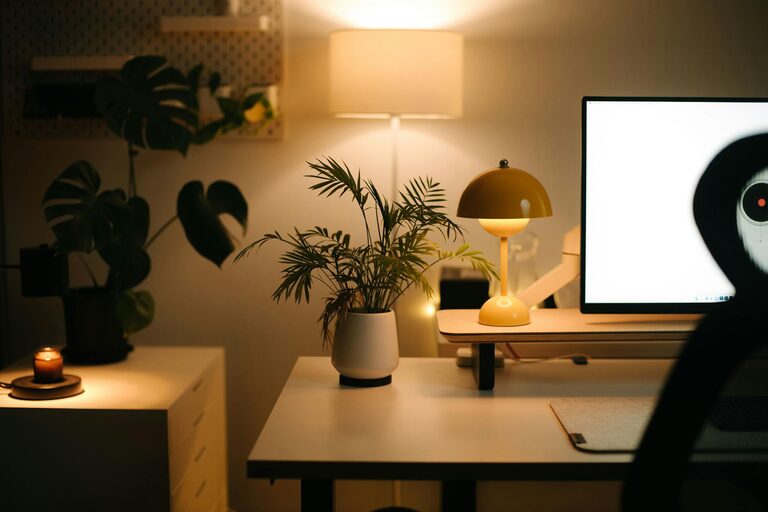
Creating a cozy and functional home office space is essential for anyone who works from home or spends a significant amount of time on personal projects and study. A well-designed workspace boosts productivity while also providing a relaxing atmosphere. In this post, we’ll explore practical tips to help you set up a home office that feels inviting and works for your needs.
Find the Right Location
Choosing the right spot in your home is the first step. Ideally, select a quiet area with minimal distractions. If possible, pick a room with natural light, which can improve mood and reduce eye strain. If space is limited, a corner in a living room or bedroom can work, too—just make sure it’s separated enough to create focus.
Focus on Ergonomics
Comfort is key when you spend hours at your desk. Invest in an ergonomic chair that supports your back well, and adjust your desk height to keep your arms at a comfortable angle. Position your computer screen at eye level to avoid neck strain. Adding a footrest or adjustable keyboard tray can also improve posture.
Prioritize Lighting
Good lighting can make a big difference. Natural light is best, but you’ll also want a combination of ambient and task lighting. Consider a desk lamp with adjustable brightness so you can control light according to the time of day or task. Avoid harsh overhead lights and glare on your screen.
Organize for Efficiency
An organized space reduces stress and helps you stay productive. Use shelves, drawers, or storage bins to keep supplies tidy. Labeling containers and files can save time searching for items. Keep only what you use daily on your desk to avoid clutter. Cable management solutions can also tidy up cords.
Add Personal Touches
To make your office cozy, add items that make you feel comfortable and motivated. This could be artwork, plants, or inspirational quotes. Plants not only add color but also improve air quality. Incorporate textures like a soft rug or cushions for warmth.
Choose Functional Furniture
Select furniture that fits your space and your work needs. A desk with enough surface area for your computer and accessories is important. If space permits, a small side table or filing cabinet can provide extra storage without crowding the room. Multi-purpose furniture, like a desk with built-in shelves, maximizes usability.
Maintain a Healthy Environment
Good air circulation, proper temperature, and minimal noise help maintain focus. Use a fan or humidifier if needed, and consider noise-cancelling headphones if noise is unavoidable. Try to keep your workspace fresh and clean by regularly dusting and airing out the room.
Establish Boundaries
Especially when your office is in a shared space, boundary-setting is important. Use room dividers, curtains, or even a designated rug to define your workspace visually. Communicate with household members about your work hours to minimize interruptions.
Use Technology Wisely
Equip your office with the technology you need for efficiency—fast internet, a comfortable keyboard and mouse, and any necessary accessories. Keep your devices charged and backed up. Streamline your setup to reduce distraction and increase focus.
Regularly Refresh Your Space
Your needs and preferences might change over time, so take time every few months to reorganize or update your office. Swap out decor, try new furniture arrangements, or invest in new organizational tools. Keeping the space fresh can inspire creativity and motivation.
—
In summary, creating a cozy and functional home office is all about balancing comfort with practicality. With thoughtful planning and attention to detail, your workspace can become a place where you enjoy spending time and get work done efficiently. Start with these tips and tailor your office to fit your unique style and routine.